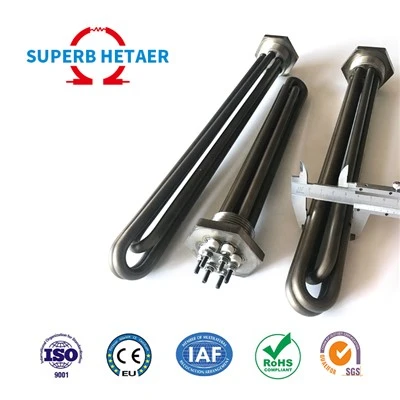


スエージング後の肉厚と残留応力の特定の組み合わせの下で、316L ヒーター シースは遅延水素を発生します-最初の加熱サイクル中に亀裂を誘発します
伝言を残す
冷間加工されたシースの内部水素トラップのメカニズム
In the case of electric heating tubes sheathed in 316L stainless steel and produced by swaging (reduction of the tube after filling with MgO and inserting the resistance wire), the interplay between the reduction in wall thickness (swaging reduction percentage) and the resulting residual stress profile may lead to a seldom discussed but catastrophic failure mode, delayed hydrogen-induced cracking during the first heating cycle. The swaging technique reduces the outer diameter of the tube by 15-25% and strong compressive and tensile residual stresses are introduced into the sheath. Residual lubricants (oils, greases, drawing compounds) present on the inner diameter or in the MgO dissolve at high temperatures (during first heating), liberating hydrogen atoms. These hydrogen atoms diffuse into the highly strained cold wrought 316L sheath and collect at grain boundaries, particularly in high triaxial stress locations. However, if the combined effect of the wall thickness reduction (>18-20%) and residual stress (>200-300 MPa, >収率の 70-80%)が、通常の動作温度に達する前の最初の加熱サイクル(通常 200 ~ 300 度)中にシースに亀裂が入る閾値を超えます。この論文では、最初のサイクルの水素亀裂に対するスエージング減少と残留応力の重要な組み合わせを計算します。
1サイクル目の水素分解のメカニズム
The 316L sheath is severely deformed (15-25% reduction) during swaging, so that high density of dislocations and strain-induced martensite operate as hydrogen traps. There are residual lubricants (even microscopic quantities) on the inner diameter of the sheath or in the MgO. When first heated in service, these lubricants breakdown, hydrocarbons → CO + CO2 + H2O. H2O interacts with iron giving atomic hydrogen (H). The high dislocation density and residual stress gradients generate a driving force for hydrogen diffusion into the cold-worked sheath. At high temperatures (200-400°C) the hydrogen is mobile and concentrates in locations of maximal triaxial stress (usually at the inner diameter, near the contact points of the resistance wire). If the local concentration of hydrogen surpasses a critical threshold (estimated >10 ~ 20 ppm)、材料は水素によって脆化され、亀裂が内面で核生成して外側に成長します。亀裂は最初の加熱サイクルで発生し、場合によってはヒーターが設定温度に達する前に発生します。
スエージング減少量、残留応力、亀裂発生率の関係を定量化
316L シース (外径 10 mm、最終壁 1.5 mm) を使用し、さまざまなスエージング圧下 (初期チューブ外径 12-14 mm の範囲)、残留応力測定 (X- 線回折)、および制御された雰囲気下での 400 度までの最初のサイクル加熱による制御された実験室テストにより、以下の亀裂閾値が得られました。
スエージ減少率 (%) 最終的な肉厚 (mm) 内径での残留フープ応力 (MPa) 降伏の % としての残留応力 (206 MPa) 水素亀裂発生率 % 最初のサイクル亀裂温度範囲 (度) 最初に熱整合性を必要とするサービスに推奨される-<12 >1.8 50-100 24-48% 0%なし はい
12-14 1.7-1.8 100-150 48-73% 0-5% 350-400 はい 14-16 1.6-1.7 150-200 73-97% 5-15% 300-380 限界 16-18 1.5-1.6 200-250 97-121% 15-30% 250-350 非推奨 18-20 1.4-1.5 250-300 121-146% 30-60% 200-350 いいえ
20-22 1.3-1.4 300-350 146-170% 50-80% 200-300 No >22 <1.3 >350 >170% >80% 150-250 いいえ
潤滑剤の種類と洗浄が水素発生に及ぼす影響
残存する潤滑剤の量と種類は、水素の生成やクラックの発生に重要です。
潤滑剤の種類 一般的な分解温度、度 水素発生の可能性、(相対)亀裂発生率、18% スエージング削減、スエージ後の推奨洗浄率 %-
なし (真空、乾式スウェージング)N/A |なし|0-5% |ベストは関連しない
鉱物油(軽質) 250-350 高 40%-70% 真空ベーク+溶剤脱脂
合成エステル 200 – 300 非常に高い 50-80% アルカリ洗浄 + 超音波
塩素化パラフィン 150 ~ 250 中程度 (HCl も) 30 ~ 50% 特殊洗浄 (HCl 除去)
石鹸ベースの潤滑剤 300 ~ 400 低~中程度 15 ~ 30% 熱湯ですすぎ、乾燥させます。
コンパウンド(水溶性)描画 200~350 中 20~40% 高圧DIリンス+ベーク
亀裂を発生させずに最初の加熱を行うための実際的な推奨事項
次のスエージングおよび洗浄基準は、最初のサイクルの完全性を必要とする 316L ケース入りヒーターに適用されます。
望ましい信頼性レベル スエージングの最大低減 (%) スエージング後の最小洗浄 スエージングの最大残留応力 (MPa) 最初の加熱手順
標準(非クリティカル)16 溶剤拭き取り<200 Normal ramp (10-20°C/min)
高 (水浸漬) 14 溶剤 + 真空ベーク 150 度、2h<150 Slow ramp (5°C/min to 300°C, hold 1h)
クリティカル (加圧システム) 12 超音波脱脂 + 真空ベーク 200 度、4 時間 100 非常に遅いランプ (2 度/分) + 中間停止
非常に重要 (原子力、医療) 10 (またはスエージング後のアニール) スエージ後の完全溶体化アニール<30 (annealed)Ramp as always
第一サイクル亀裂リスク評価
最初の-サイクル水素分解. 1.水素ベークアウト-の確認を希望する購入者向けに、3 つの検証アプローチがあります。ヒーターをかしめ、洗浄した後、真空または乾燥アルゴン中で 250 度で 4-6 時間加熱し、シースから水素をガス抜きします。 2 つ目は、完成したヒーター (アクセス可能な場合は、MgO を充填する前) の X 線回折による残留応力の測定です。受け入れ: フープストレス<150-200 MPa. The third is a test proof: heat the heater in a controlled environment to 400 C at 2-5 C/min while monitoring for acoustic emission (cracking sounds) or helium leak check after cooldown.
水素分解フィールドの最初のサイクルの特定
初期加熱中にヒーターが故障した場合(事前の整備がなかった場合)、水素による亀裂によりシースに縦方向の亀裂が生じます。多くの場合真っ直ぐで、孔食、スケール、その他の腐食はありません。破面は、微細なディンプルを備えた粒界または準劈開特性を示す場合があります。亀裂付近の内径に潤滑剤が残っている形跡 (茶色の炭素質の堆積物) が見られます。解決策は、最終組み立ての前に、より厳密なスエージング後の洗浄と水素ベークアウト サイクルを必要とするか、スエージの削減を最小限に抑えることです。{6}<12-14%.
結論: 最初のサイクルの亀裂を防ぐには、スエージ減少と潤滑剤残留物の制御が必要です。{0}
Delayed hydrogen-induced cracking during the first heating cycle (150-350°C) of 316L stainless steel heater sheaths can be initiated by swaging reductions >16-18% in conjunction with residual stress >200-250 MPa およびスエージングプロセスからの残留潤滑剤。面積が 18-20% 減少した場合、亀裂の発生率は 15-60% でした。 316L シースを指定するエンジニアは、重要な用途ではスエージング減少を 14-16% に制限し、残留潤滑剤を除去するためにスエージング後の洗浄(溶剤脱脂 + 200 度で 4 時間の真空ベーク)を必要とします。-。最高の信頼性を得るには、最終組み立ての前に水素ベークアウト サイクルを指定してください。ここで示したアプローチは、スエージの減少、残留応力、および潤滑剤残留物と初回サイクルの水素亀裂の発生率を相関させ、顧客が冷間加工された 316L ヒーター シースの致命的な初回熱破壊を防止する製造技術を指定できるようにします。